
Laser Battery Care in the Field: 18650, 16340 and AAA for ACE Lasers
Keep your ACE laser running through a dawn bird round or a long star tour: which cell each model uses, safe charging, cold weather, storage, spares and travel.
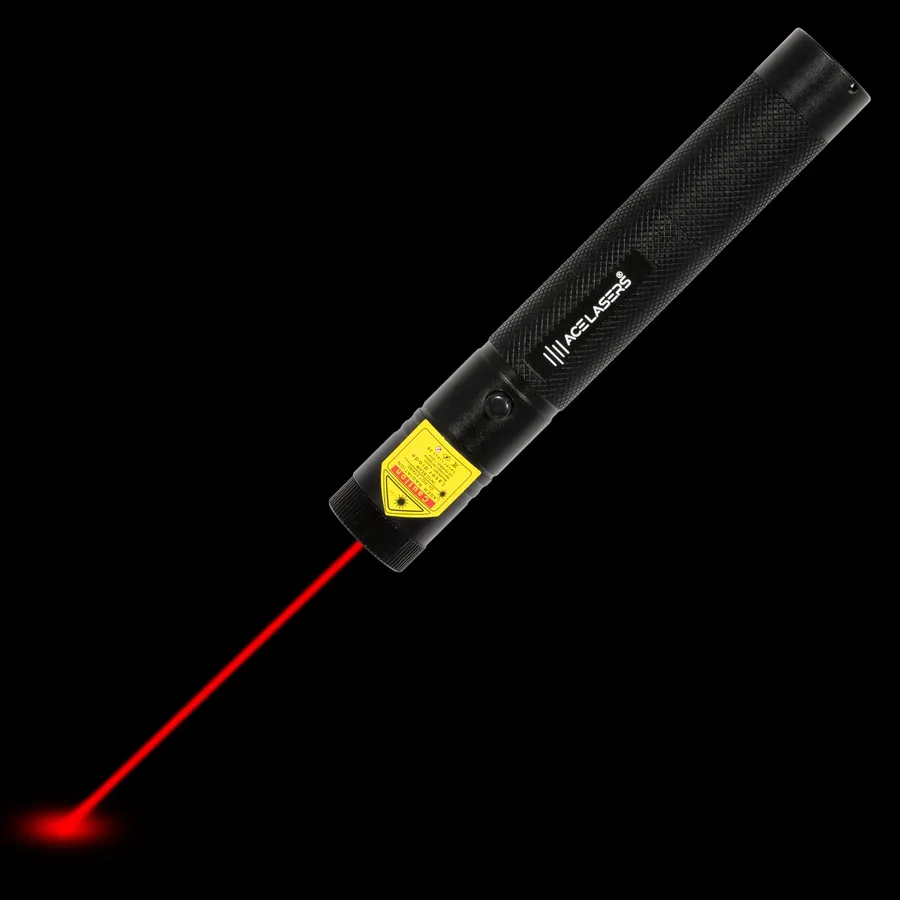
A laser pen is only as dependable as its battery. Run out of power halfway through a dusk round on the farm or a star tour and the evening is over. Our ACE lasers use three battery types: rechargeable 18650 and 16340 lithium-ion cells, and standard AAA batteries. Each has its own advantages, and lithium-ion cells in particular need some care. This guide explains the differences and how to get the best from your batteries.
The three battery types at a glance
| 18650 | 16340 | AAA | |
|---|---|---|---|
| Size | 18 mm diameter, 65 mm long | 16 mm diameter, 34 mm long | Standard AAA |
| Chemistry | Lithium-ion, rechargeable | Lithium-ion, rechargeable | Usually alkaline (disposable) |
| Number per laser | 1 | 1 | 2 |
| ACE lasers | AGP-1 Pro, AGP-3 Pro, ARP-1 Pro, AVP-1 Pro | AGP-2, ARP-2, AVP-2 Pro Mini | AG-1, AG-2, AR-1, AV-1 |
| Charger needed | Yes | Yes | No |
The name of a lithium-ion cell describes its size: an 18650 cell is 18 mm in diameter and 65 mm long, a 16340 cell 16 mm by 34 mm. The larger 18650 cell holds considerably more energy, which is why the full-size Pro lasers use it. The 16340 cell allows the Pro Mini models to be only 12 cm long, at the cost of a shorter runtime per charge.
18650: the workhorse
The full-size ACE Pro lasers run on one 18650 cell, supplied together with a charger. Because four models share the same cell, one spare 18650 batteries (2-pack) can serve several lasers. For long sessions, carry a charged spare: swapping takes seconds.
16340: compact, but plan ahead
The AGP-2, ARP-2 and AVP-2 Pro Mini use a 16340 cell. The compact size is ideal for carrying all day, but because the cell is smaller you will need to recharge or swap sooner. A spare PowerFox 16340 2-pack in a battery case is the simplest solution.
AAA: simple and available everywhere
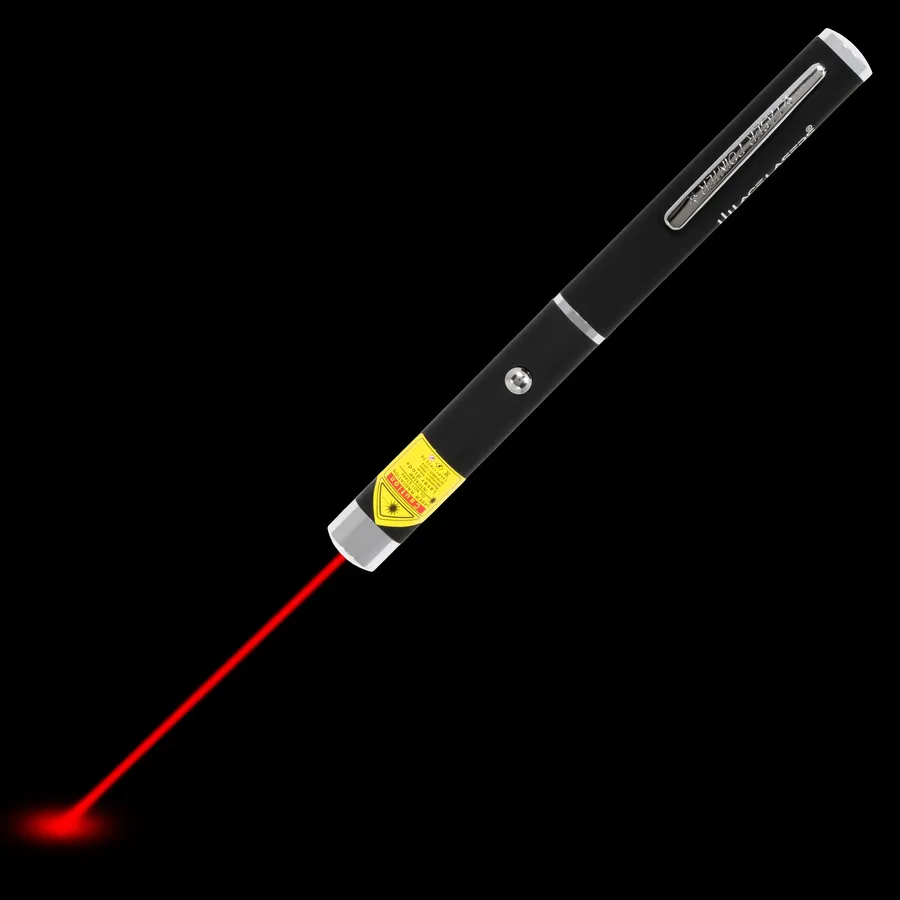
The pen-style AG-1, AG-2, AR-1 and AV-1 run on two AAA batteries, included with the laser. No charger, no special cells: if the batteries run out, any shop or petrol station can sell you new ones. For lasers that live in a kit bag and are used occasionally, that is a real advantage. Remove AAA batteries when the laser will be stored for a longer period, to prevent leakage.
Charging lithium-ion cells safely
Lithium-ion cells store a lot of energy in a small volume. Treated well they are safe and long-lasting; treated badly they can overheat. Follow these rules:
- Use a charger designed for 18650/16340 lithium-ion cells, such as the PowerFox charger or the charger supplied with your laser.
- Charge on a hard, non-flammable surface, away from heat sources and direct sunlight.
- Do not leave cells charging unattended for long periods, and remove them when they are full.
- Insert cells with the correct polarity, in the laser and in the charger.
- Stop using a cell that is dented, swollen, hot during normal use or has a torn wrapper.
Cold weather
Bird control at dawn in January and stargazing on frosty nights both mean cold batteries. All batteries deliver less in the cold, and a laser may switch off earlier than you expect. Practical tips:
- Keep the laser and spare cells in an inside pocket until you need them.
- Carry one more spare than you think you need.
- Let cold lithium-ion cells warm up to room temperature before charging them.
Storing and carrying spares
Never carry loose cells in a pocket or bag where keys, coins or tools can touch both ends: a short circuit can make a cell very hot. Use a plastic battery case. For longer storage, keep lithium-ion cells partly charged in a cool, dry place, and remove the cell from the laser if it will not be used for weeks. Check the rules of your carrier before taking spare lithium-ion cells on a flight; carriers usually have specific requirements for spare cells.
Battery life in practice
How long a battery lasts depends far more on how you use the laser than on the battery itself. A laser that is switched on in short bursts, as recommended for bird control and star pointing, runs much longer on one charge than a laser that is left on continuously. Higher-output lasers draw more current, so a Pro model empties its cell sooner than a pen-style laser empties its AAA batteries. As a cell runs down, the dot may become noticeably dimmer before the laser stops working; that is the moment to swap or recharge. If your laser seems weak, try a freshly charged cell or new AAA batteries before concluding that anything is wrong with the laser.
Rechargeable lithium-ion cells gradually lose capacity over many charge cycles. If a cell that used to last a full session now runs out halfway, it is time to replace it with a new 18650 or 16340 cell.
Which battery type suits you?
- Regular or long sessions: a Pro laser with 18650 cell, plus one or two spares.
- All-day carrying: a Pro Mini with 16340 cell, plus a spare in a case.
- Occasional use, emergency kit, no charging: a pen-style laser on AAA.
All batteries and the charger are in our batteries and accessories category. Lasers by type: high powered laser pointers (18650/16340) and green laser pens (including AAA models).
Battery safety and laser safety go together
When you change batteries, the laser can switch on unexpectedly if the button is pressed. Always point the laser at the ground, away from people, while changing or testing the battery, and remove the safety key where fitted when the laser is stored. Keep both lasers and spare cells away from children. More advice is in our laser safety guide.
More articles
Blog
The Most Powerful Laser Pointer? What Milliwatts and Laser Classes Really Mean
Searching for the most powerful laser pointer? Before you compare milliwatts, learn what the number means, how…
Laser Safety Glasses: How to Choose Goggles for a Class 3B Laser Pointer
Laser safety glasses are essential with a class 3B laser. Learn how wavelength ratings and optical density wor…
Laser Bird Deterrent on Farms: Planning a Routine Through the Seasons
How farmers and land managers use a green laser as a bird deterrent across large areas: species, timing throug…