
Free shipping -17% PRO 
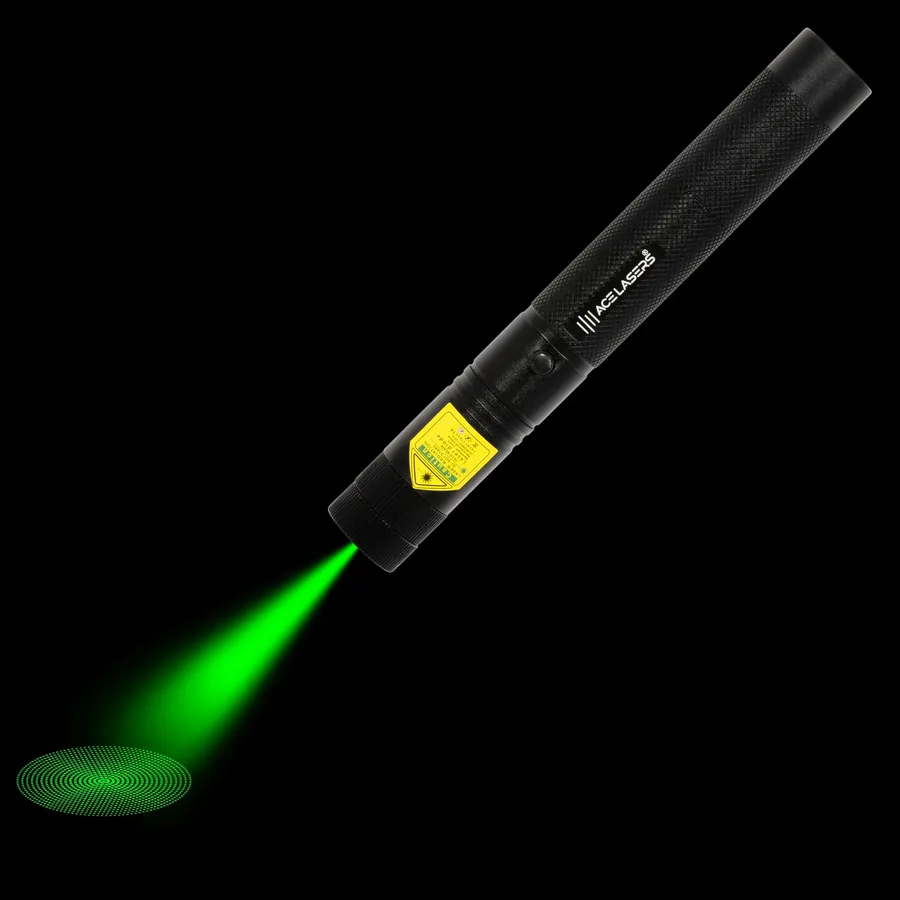
ACE AGP-1 Pro36× sold
ACE Lasers AGP-1 Pro Green Laser Pointer with Pattern Lens
- Color
- 532 nm
- Output power
- 50–500 mW
- Battery
- 18650
£119.95£99.95
In stock
HalloweenUse code HALLOWEEN5 for 5% off, valid until 31 October.
A green laser is one of the most practical bird scarers for farms and large areas: birds see the approaching dot as a threat and move off, without noise for the neighbours. This page explains how professionals use it, which ACE laser to choose and how to work safely.
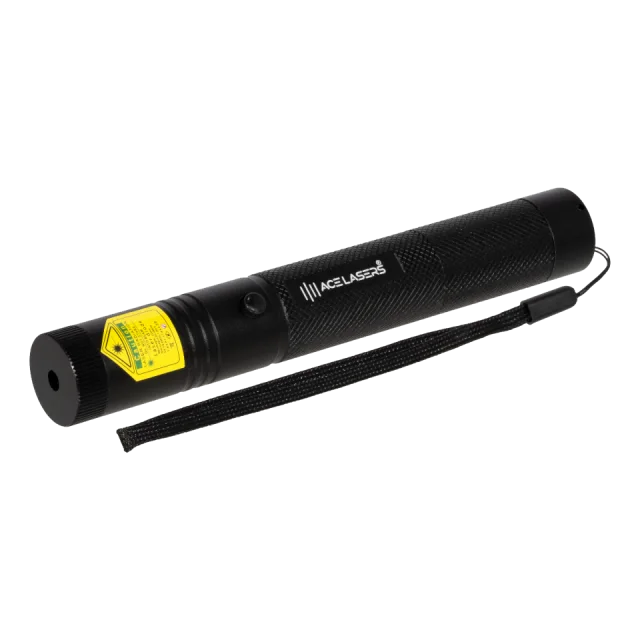
Our most chosen high-power green laser: 532 nm, 50–500 mW, rechargeable 18650.


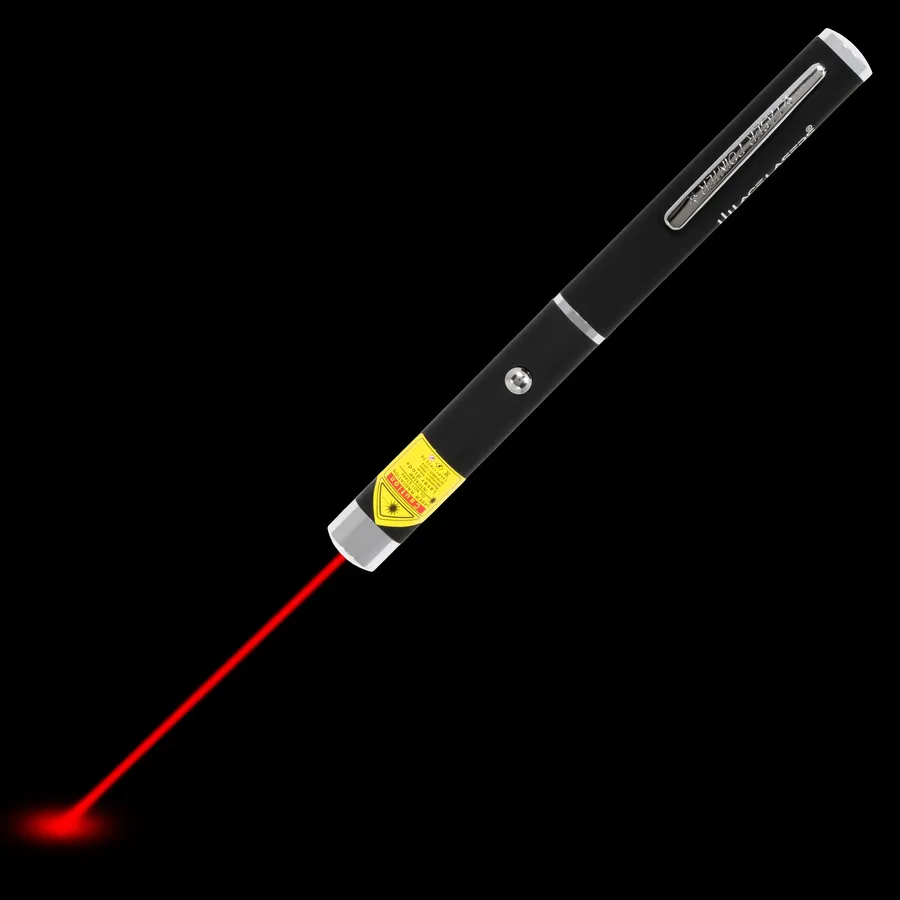


Three pen-style class 3B lasers in green, red and violet, all on AAA batteries.

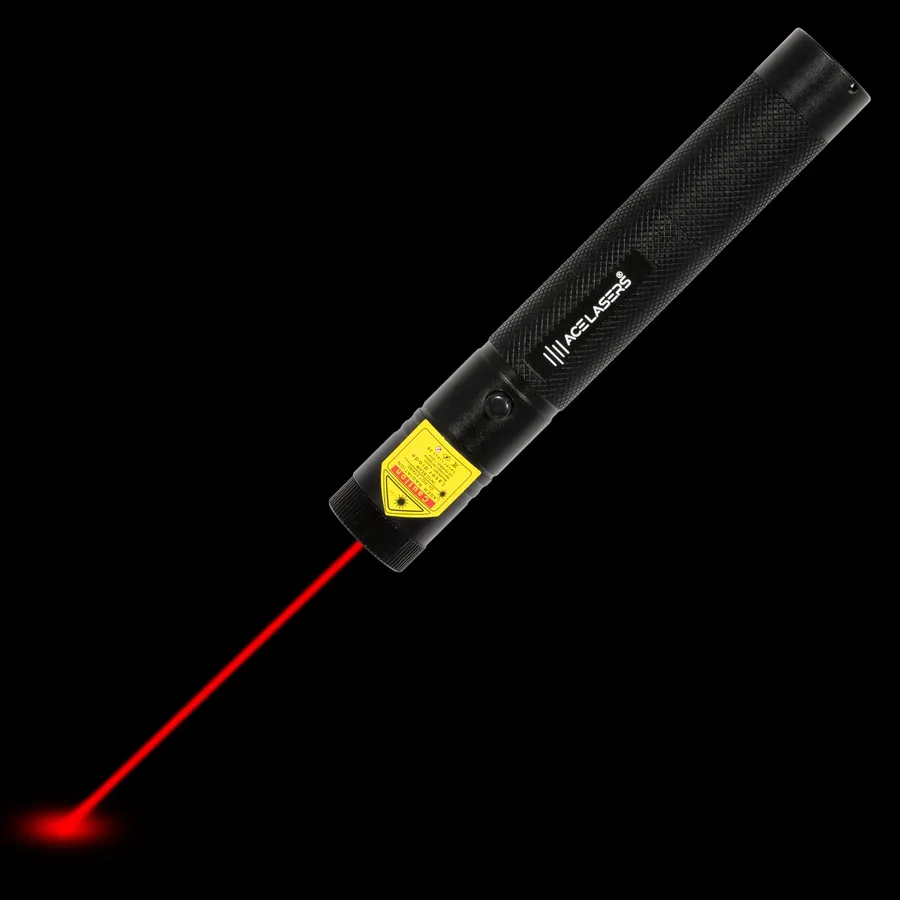


Three high-power Pro lasers in green, red and violet, rechargeable.
Birds perceive a bright, moving dot that approaches them as a predator or physical threat. When the green dot of a laser sweeps across the ground towards a flock, the birds take off and, with repetition, learn to avoid the area. Unlike gas cannons or distress calls, a laser is silent, so it does not disturb livestock or neighbours, and you can direct it precisely at the flock you want to move. It works best in low light: at dusk, dawn and on overcast days, when the dot stands out clearly. In bright midday sun the effect is weaker, which is exactly where the extra output of a Pro model helps.
On large sites such as airfield perimeters, laser use is only appropriate with the explicit permission and procedures of the site operator, and never in any direction where aircraft could be reached.
Green is the right colour: it gives the longest visible range for a given output, and the dot stands out clearly in low light.
| AG-1 | AGP-3 Pro | |
|---|---|---|
| Output | 5–50 mW | 50–500 mW |
| Daylight | approx. 200 m | approx. 500 m (dot on objects) |
| Dusk | approx. 1 km | approx. 2 km |
| Power | 2 × AAA | 18650, rechargeable |
Our blog post on laser bird deterrence on farms covers planning across a season.
Class 3B lasers can injure the eye instantly, directly or via reflections from water, glass, wet leaves or metal roofs. Never aim at people, at vehicles, at aircraft or towards the sky, and stop immediately if anyone enters the area. Wear goggles rated for 532 nm, store the laser with the key removed and keep it away from children. Respect the nesting season and the rules that apply to the species and your site; obtain the landowner's or operator's permission where it is not your land. As the buyer you are responsible for complying with UK law. Read our laser safety guide and the guide to laser safety glasses.
We use cookies to run the shop, measure how it is used and see which ads work. You choose what you allow. Privacy policy
AI assistant: can make mistakes. Prefer a person? Just ask.